
1. Atomic Habits — James Clear
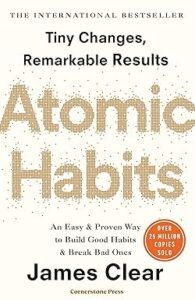
What it’s about: Small, consistent changes compound into major results. Clear explains how to design systems that make good habits inevitable and bad habits hard.
Key takeaways: Habit stacking, make cues obvious, reward systems, identity-based habits.
Who it’s for: Anyone who wants sustainable, measurable change.
Action: Pick one tiny habit (2 minutes max). Do it every day for 30 days.
2. The 7 Habits of Highly Effective People — Stephen R. Covey
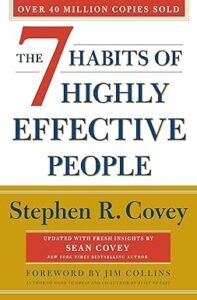
What it’s about: Timeless framework of personal and interpersonal effectiveness rooted in principles (proactivity, goals, win-win relationships).
Key takeaways: Begin with the end in mind, prioritize important tasks, seek mutual benefit in relationships.
Who it’s for: Students, professionals, leaders — anyone building long-term effectiveness.
Action: Write a personal mission statement covering your 3–5 core values.
3. Mindset: The New Psychology of Success — Carol S. Dweck
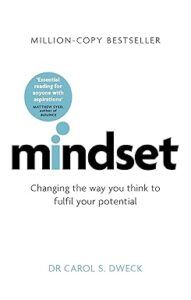
What it’s about: The difference between a fixed mindset and a growth mindset — and how adopting the latter unlocks learning and resilience.
Key takeaways: Praise effort over talent, learn from failure, view challenges as opportunities.
Who it’s for: Learners, athletes, parents, teachers, anyone facing setbacks.
Action: Reframe one recent failure by listing three lessons it taught you.
4. Deep Work — Cal Newport
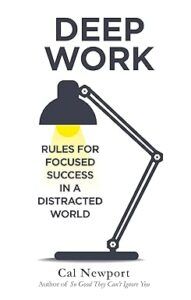
What it’s about: Deep, focused work is the skill of the 21st century. Newport gives rules to cultivate concentration and produce high-value output.
Key takeaways: Eliminate shallow work, schedule distraction-free blocks, embrace boredom to strengthen attention.
Who it’s for: Students, knowledge workers, exam aspirants needing intense study sessions.
Action: Block 60 minutes of uninterrupted study/work (no phone, no web) and repeat daily.
5. How to Win Friends & Influence People — Dale Carnegie
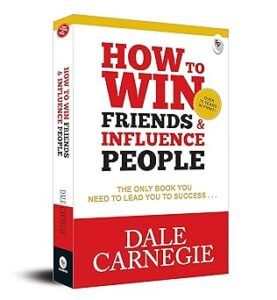
What it’s about: Classic guide to communication and relationships — simple principles that improve influence and collaboration.
Key takeaways: Show genuine interest, listen actively, give sincere appreciation, handle disagreements sensitively.
Who it’s for: Everyone — especially those preparing for interviews, leadership roles, or teamwork.
Action: In the next conversation, ask two open questions and listen without interrupting.
6. The Power of Habit — Charles Duhigg
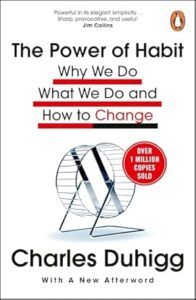
What it’s about: Science of why habits exist and how to change them: cue → routine → reward. Duhigg uses stories and research to show habit transformation.
Key takeaways: Identify habit loops, design keystone habits that cascade benefits, replace routines not just stop them.
Who it’s for: Readers who want to overhaul behavior patterns (sleep, study, fitness).
Action: Map one habit loop (cue, routine, reward) and change the routine to a healthier one.
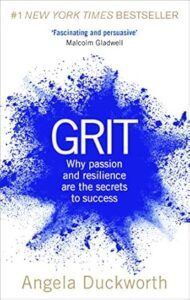
7. Grit: The Power of Passion and Perseverance — Angela Duckworth
BUY NOW FROM AMAZON
What it’s about: Long-term success often comes from sustained passion and perseverance more than raw talent.
Key takeaways: Build interest, practice deliberately, maintain purpose, cultivate hope.
Who it’s for: Anyone pursuing long goals — sportspersons, exam aspirants, entrepreneurs.
Action: Choose one long-term goal and schedule deliberate practice segments for it each week.
8. Man’s Search for Meaning — Viktor E. Frankl

What it’s about: Frankl’s reflections from concentration camps reveal how meaning shapes resilience and inner freedom.
Key takeaways: Meaning over comfort, responsibility to choose attitude, finding purpose even in hardship.
Who it’s for: Readers seeking perspective, emotional resilience, and purpose.
Action: Write one sentence about why your current goals matter to you beyond external rewards.
9. The Power of Now — Eckhart Tolle
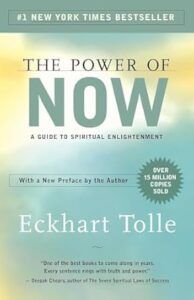
What it’s about: A guide to mindfulness and presence — how focusing on the present moment reduces anxiety and improves clarity.
Key takeaways: Observe thoughts without identification, use breath and presence to center yourself, reduce mental reactivity.
Who it’s for: Anyone struggling with stress, overthinking, or lack of focus.
Action: Practice a 5-minute breathing break twice daily, focusing only on inhalation/exhalation.
10. The Subtle Art of Not Giving a Fck* — Mark Manson
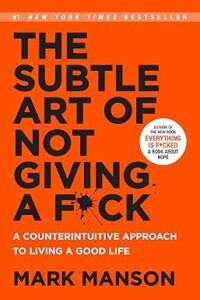
What it’s about: A counterintuitive guide that argues we should pick our values carefully and focus on what truly matters.
Key takeaways: Value-based priorities, accept life’s limitations, embrace responsibility, choose the right problems.
Who it’s for: Those overwhelmed by modern choices or seeking clarity on priorities.
Action: List your top three values and eliminate one daily activity that doesn’t align with them.