

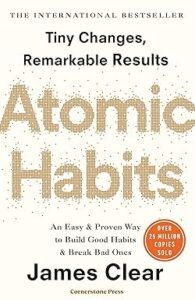
1. Atomic Habits – James Clear
Overview:
Atomic Habits breaks down how small changes compound into remarkable outcomes. Instead of focusing on goals, Clear emphasizes systems — the habits that shape who you become.
Key Lessons:
Focus on tiny improvements every day.
Build identity-based habits (“I am someone who…”).
Use “habit stacking” to make routines stick.
Actionable Tip:
Start by improving just 1% every day. Your future self will thank you.
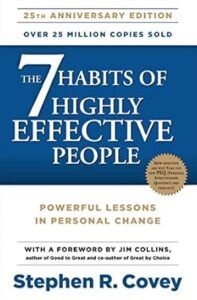
2. The 7 Habits of Highly Effective People – Stephen R. Covey
Overview:
A timeless classic on personal effectiveness, Covey’s framework focuses on character ethics and universal principles.
Key Lessons:
Be proactive.
Begin with the end in mind.
Put first things first (prioritize).
Think win-win in relationships.
Actionable Tip:
Write a personal mission statement that defines your values and goals.
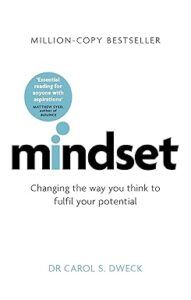
3. Mindset: The New Psychology of Success – Carol S. Dweck
Overview:
Psychologist Carol Dweck explores how a “growth mindset” — believing abilities can be developed — leads to resilience and success.
Key Lessons:
Embrace challenges as opportunities.
Learn from criticism instead of avoiding it.
Persistence matters more than talent.
Actionable Tip:
When faced with failure, ask: “What can I learn from this?”
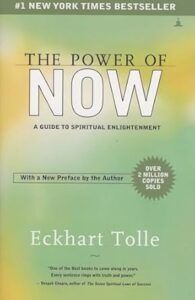
4. The Power of Now – Eckhart Tolle
Overview:
A spiritual yet practical book on living in the present moment and reducing stress.
Key Lessons:
Most stress comes from dwelling on past or future.
Awareness of now increases focus and calm.
Identify your thoughts without being controlled by them.
Actionable Tip:
Practice 5 minutes of mindful breathing each day.
5. How to Win Friends & Influence People – Dale Carnegie
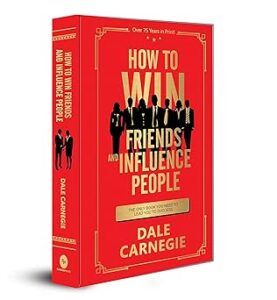
Overview:
One of the most influential books on communication and building strong relationships.
Key Lessons:
Show genuine interest in others.
Smile and listen more.
Give honest appreciation.
Actionable Tip:
In your next conversation, listen more than you speak.
6. The Power of Habit – Charles Duhigg
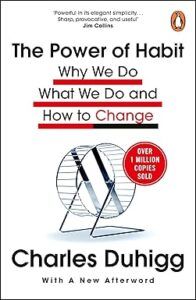
Overview:
This book explores the science behind why habits exist and how to change them.
Key Lessons:
Habits have a loop: cue → routine → reward.
Keystone habits can spark positive change.
Willpower can be developed.
Actionable Tip:
Identify one harmful habit and replace it with a healthier routine.
7. Grit: The Power of Passion and Perseverance – Angela Duckworth
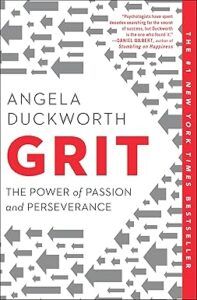
Overview:
Duckworth reveals that passion and perseverance (grit) outweigh talent in long-term success.
Key Lessons:
Interest and practice matter.
Purpose sustains effort in tough times.
Hope fuels perseverance.
Actionable Tip:
Choose one big long-term goal and commit to regular practice.
8. Man’s Search for Meaning – Viktor E. Frankl

Overview:
Frankl’s profound memoir and psychological exploration shows how meaning gives strength even in suffering.
Key Lessons:
You cannot always control circumstances, but you can control your response.
Purpose sustains life through adversity.
Meaning is found through contribution and love.
Actionable Tip:
Reflect on your life’s purpose — why you want what you want.
9. The Subtle Art of Not Giving a Fck – Mark Manson*
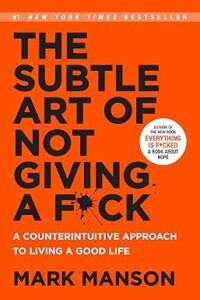
Overview:
A modern, no-nonsense guide to choosing your values wisely and focusing on what truly matters.
Key Lessons:
Happiness comes from solving problems, not avoiding them.
Not everything deserves your attention.
Responsibility and failure are part of growth.
Actionable Tip:
List your top 3 priorities and eliminate one activity that distracts you.
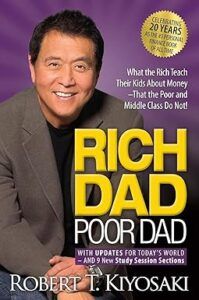
10. Rich Dad Poor Dad – Robert Kiyosaki
Overview:
Not just a personal finance book — Rich Dad Poor Dad teaches mindset lessons about money, risk, and financial independence.
Key Lessons:
Your education should include financial intelligence.
Assets build income, liabilities drain it.
Think entrepreneurially, not just traditionally.
Actionable Tip:
Track one month of spending and identify one area to save or invest.